Sustainability
004 — Sustainability

First saveenergy, thenrecover it

Scroll
01 — Sustainability

What you do not use,you do not needto recover.

An efficient installation starts with its design. We first explore how the process can use less energy, water and chemicals. Then we look at where lost energy can be reused.

That sequence is the basis of our approach. Results depend on your products, process and operating conditions. We therefore always assess savings and recovery in the context of your installation.

02 — Our approach

Less consumption. More insight.

01

Reduce consumption

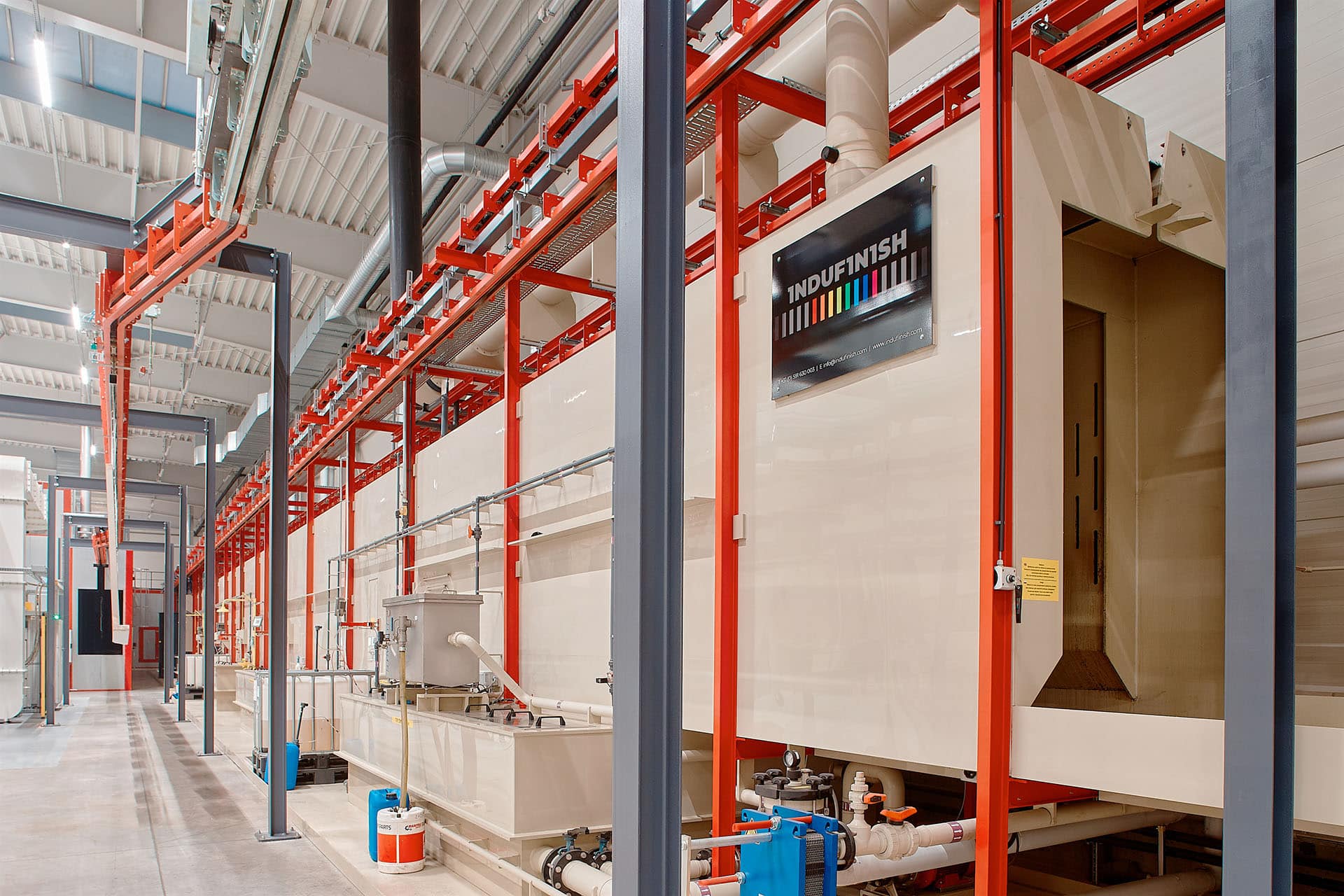
Start with what the process needs. Design the installation accordingly and limit unnecessary losses of energy, water and chemicals.
02

Recover energy

Then identify where energy is lost and can be reused. This is where TERS becomes part of the design.

03

Stay informed

Process data helps you track consumption. Indufinish Connect lets you view and compare relevant values from your installation.

The futurematTERS

0%
Recover up to 70% of lost energy
0%
Up to 60% of the energy used is lost
0+ yrs
Experience
02 — The future matTERS

Total EnergyRecovery System

Our Total Energy Recovery System (TERS) targets energy lost during the coating process. According to our process assumptions, an average of 40 to 60 per cent of the energy used goes into the product. Of the energy that is lost, we can recover and reuse up to 70 per cent. This does not mean a 70 per cent reduction in total energy consumption. The opportunities depend on the installation and application.


The future matTERS
Han Kleijn
“Sustainability starts with lower consumption”
Han Kleijn
Quality & sustainability

Heat recovery is part of the story. The first question is how much energy the process actually needs. That sequence makes the difference in our design.

Indufinish — our approach

Saving comes before recovery.

An installation with low consumption begins with well-considered design choices. That is why we first explore how to reduce the need for energy, water and chemicals.

Recovery comes next. Energy leaving the process may be useful elsewhere. With TERS, we investigate those opportunities as part of the complete installation.

A percentage is only meaningful when its reference is clear. That is why we distinguish total energy consumption from the share of lost energy that can be recovered.

Discuss your energy use

Ready for thenext step?

Where does the energy in your process go? Let's discuss which design choices matter for your situation.

Discuss your energy use